
The Problem of Housing as a Spectacle

Updated: Feb 25, 2025
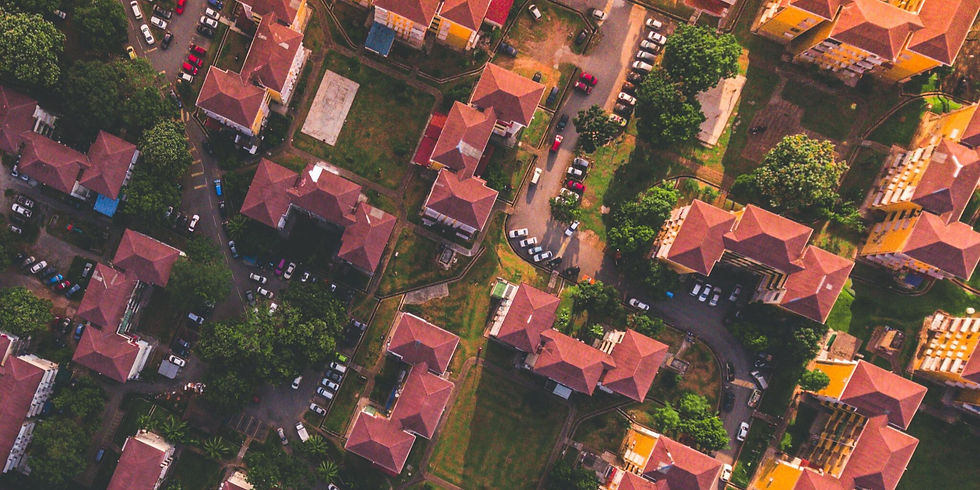
“Housing as a spectacle” refers to the way housing and real estate are presented and consumed in modern society, often emphasizing their aesthetic, aspirational, or investment value rather than focusing on their fundamental purpose as a basic human need. This concept can be examined through various lenses:
Key Ideas Behind “Housing as a Spectacle”:
Aestheticization of Housing:
Housing is increasingly marketed for its luxury, design, or exclusivity, transforming homes into objects of desire and status symbols. This is often seen in high-end real estate marketing, open houses staged with luxury furniture, and media depictions of homes as lifestyle statements.
Commodification and Investment:
Homes are portrayed as assets for financial speculation rather than as spaces for living. This is evident in the rise of real estate flipping shows, advertisements targeting foreign investors, and the prioritization of profit over affordability in housing markets.
Media and Public Perception:
The media and social platforms often sensationalized housing trends, architecture, and luxury developments, creating a spectacle that fuels public fascination with real estate. Shows like Selling Sunset or Million Dollar Listing contribute to this phenomenon.
Disconnect from Social Issues:
By framing housing as a spectacle, the focus shifts away from critical issues such as homelessness, housing affordability, and inequality. It obscures the reality that many people struggle to access adequate housing.
Urban Landscapes and Gentrification:
Iconic or luxurious housing developments are used as symbols of urban progress, often sidelining the displacement and social disruption caused by gentrification.
Examples:
Real Estate Shows: Programs that glamorize luxury homes and lifestyles.
Architectural Showcases: Events or media that highlight avant-garde or high-end developments.
Social Media Content: Platforms like Instagram or TikTok often showcase extravagant homes, making housing part of aspirational lifestyles.
This concept can be tied to theorist Guy Debord’s notion of “The Society of the Spectacle,” where social relations are mediated through images and representations, shifting attention from substance to appearance. Housing as a spectacle reflects this shift in the realm of real estate and urban living.


Comments